
New ArrivalsGift Ideas Specials Contact Us

WINTER 5% OFF SALE!
SITEWIDE05
Simply enter the above coupon code and save 5% on your ENTIRE ORDER!
Use PayPal, cash, or checks! NO LIMIT!
Now In: CATEGORIES → Essential Oils → 15ml Bottles → Essential Oil - Cinnamon Leaf
-----------------

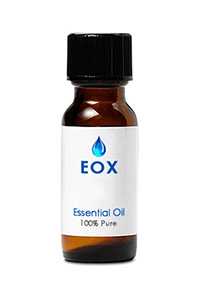   |
Botanical name: Cinnamomum zeylanicum Color: Medium amber Consistency: Thin Perfumery note: Middle/base Related Planets/Deities: Sun/Phoenix/Apollo Aroma: Very spicy and velvety, slightly earthy. Energetic Properties: Inviting and intriguing, very warm. Aromatherapy Properties: A yellow to brownish liquid with a warm-spicy, somewhat pungent odor. Use in place of the bark oil. Cinnamon leaf oil is not as sweet smelling as the bark oil and is milder in nature. Spiritual uses: With its natural energetic warmth and sensuality, cinnamon has a history of use in sex magic. The Romans believed the Phoenix built its nest from Cinnamon wood, and so it is a natural choice for those working with the fire element. Also commonly used for spiritual protection and to attract wealth. Blends well with: Most citrus oils, such as Grapefruit. For a spicy, exotic blend, pair with Clove Bud oil. Also blends nicely with Frankincense, Lavender, and Coriander. History: One of the world’s best-known plants, Cinnamon has a long history of use. First imported to Egypt around 2000 B.C.E., Cinnamon is native to India, Sri Lanka, Burma, and Bangladesh. Mentioned numerous times in the Bible, Cinnamon was so highly prized in the ancient world that it was often offered as a gift to monarchs and deities. The Egyptians used Cinnamon leaf oil for massage, and also as a treatment for excessive bile. Perfect for use with our Ceramic Oil Burners. |


|
|||||||
|
|||||||


OR CALL US AT: 773-236-8154
10:00AM - 5:00PM, Central, Mon-Fri
10:00AM - 5:00PM, Central, Mon-Fri
